



Blog Replica Watch
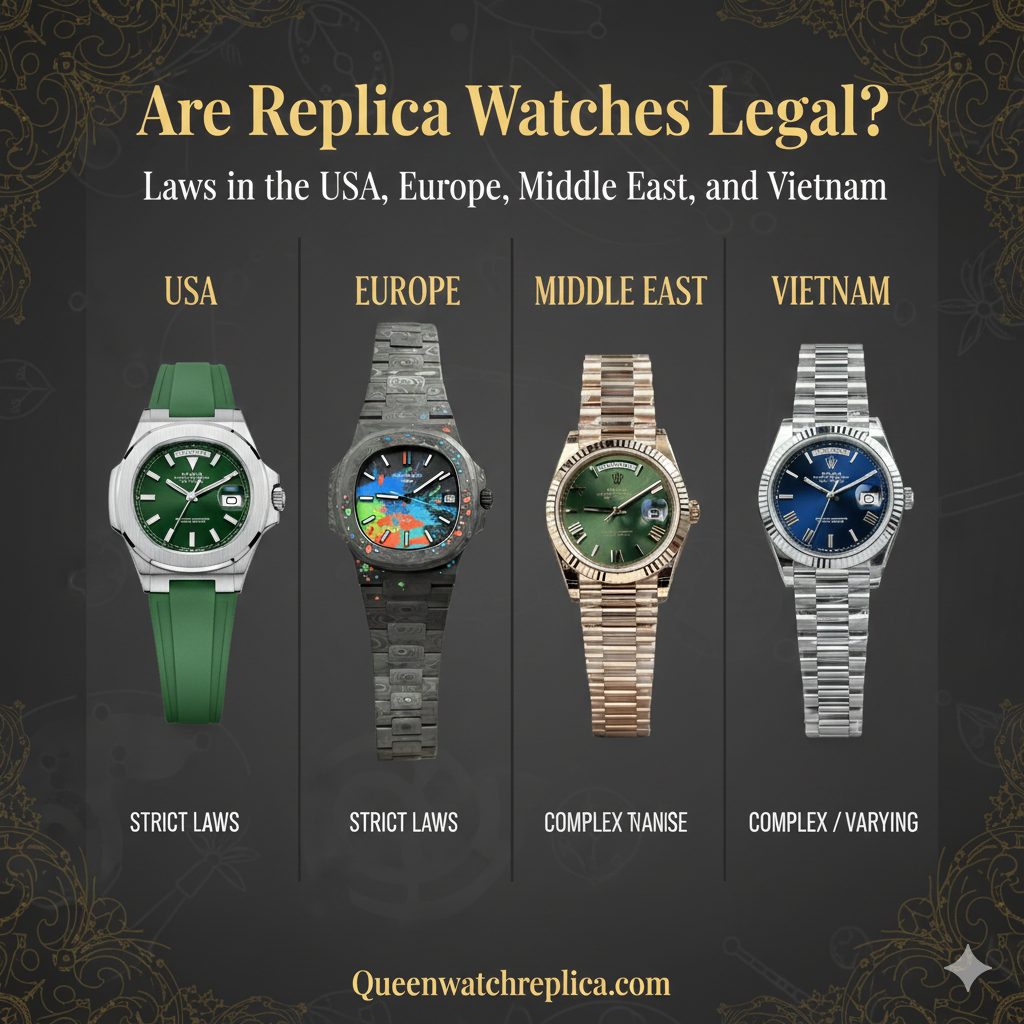
Are Replica Watches Legal? Laws in the USA, Europe, Middle East, and Vietnam
“Are replica watches legal?” is one of the most searched questions in the replica watch industry. Before purchasing a replica or super clone watch, buyers naturally want to understand the legal risks, what is allowed, and what could potentially cause problems.
The answer is not always black and white. Laws regarding replica watches vary significantly by country and depend on whether you are owning, selling, or importing replica products. This article explains the legal landscape clearly and honestly, helping buyers make informed decisions in 2026.
What does “legal” really mean for replica watches?
When discussing legality, replica watches usually fall into three separate legal categories:
-
Ownership for personal use
-
Selling or distributing replica watches
-
Importing replica watches across borders
In most countries, these three situations are treated very differently under the law. Understanding the distinction is critical.
Is owning a replica watch legal?
Personal ownership explained
In many countries, owning a replica watch for personal use is not a criminal offense. Authorities typically focus enforcement on manufacturers, distributors, and large-scale sellers rather than individual buyers.
Most legal systems do not actively prosecute individuals for simply wearing or owning a replica watch, especially when there is no intent to resell or misrepresent the item as authentic.
Why ownership is often tolerated
-
Low public harm
-
No commercial intent
-
Enforcement priority is usually low
This is why millions of replica watches are owned and worn worldwide without legal consequences.
Is selling replica watches legal?
Selling replica watches is a very different matter.
In most countries, selling replica watches violates trademark and intellectual property laws. Luxury brands actively protect their trademarks, logos, and designs, and legal action is typically directed at sellers rather than buyers.
Selling replicas can result in:
-
Civil lawsuits
-
Seizure of goods
-
Fines or financial penalties
-
Website takedowns
This is why reputable platforms avoid claiming products are authentic and focus instead on transparency and buyer education.
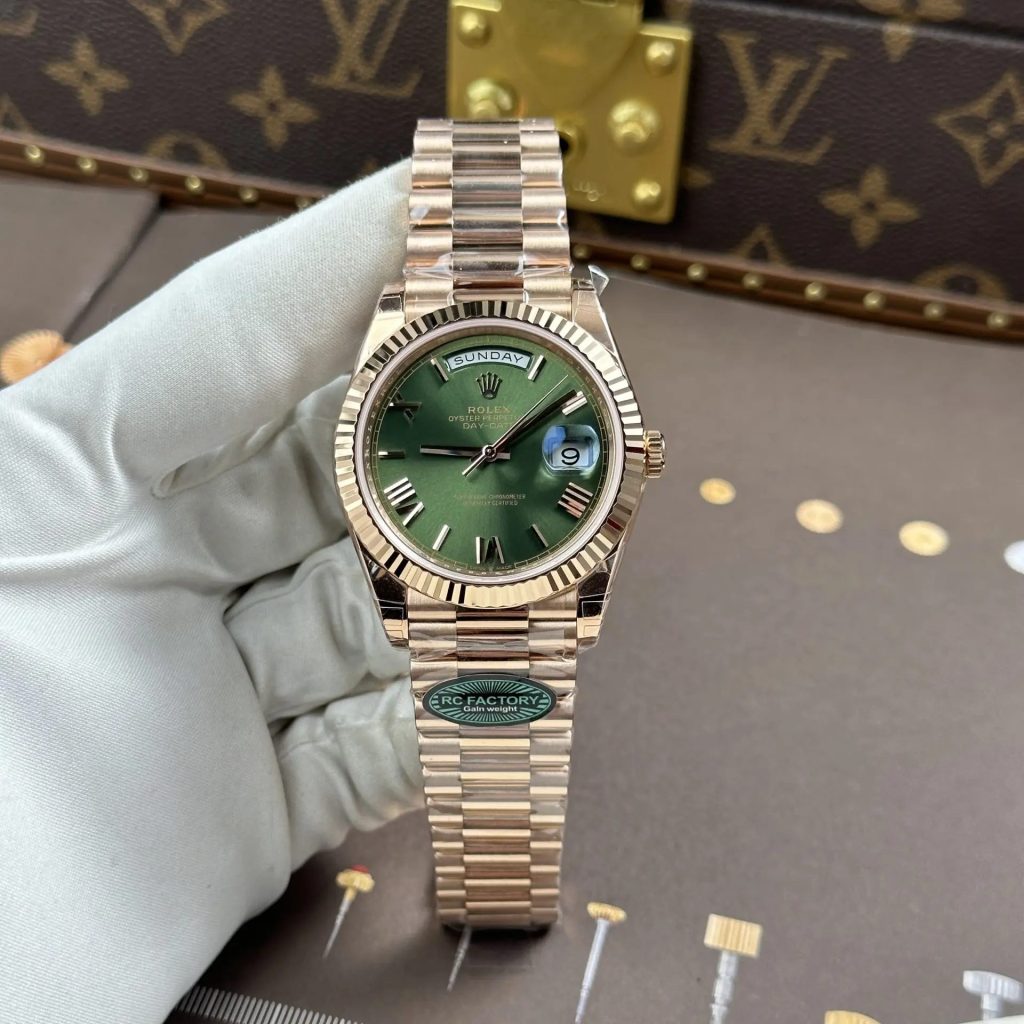
Is importing replica watches legal?
Import laws vary by country and are often the most misunderstood aspect of replica watch legality.
Personal import vs commercial import
-
Small personal shipments are often tolerated
-
Bulk or commercial shipments face higher scrutiny
-
Customs agencies may seize items suspected of trademark infringement
Many buyers successfully import replica watches for personal use, but seizure remains a potential risk depending on local enforcement and customs procedures.
Experienced sellers understand these risks and typically use discreet packaging and shipping methods designed to reduce complications.
Replica watch laws in the United States
In the United States, trademark law focuses primarily on distribution and commercial activity.
Key points for the USA
-
Owning a replica watch for personal use is generally not prosecuted
-
Selling replica watches violates trademark law
-
Customs may seize counterfeit goods during import
-
Large-scale sellers face serious legal consequences
For individual buyers, the risk typically lies at the import stage rather than ownership.
Replica watch laws in Europe
European laws vary by country, but most follow similar principles.
General EU approach
-
Personal ownership is rarely prosecuted
-
Selling replicas violates trademark and consumer protection laws
-
Customs enforcement varies by country
Some countries, such as France and Italy, enforce stricter import rules, while others focus primarily on commercial sellers.
Travelers carrying a replica watch for personal use are rarely targeted, but importing multiple items may raise concerns.
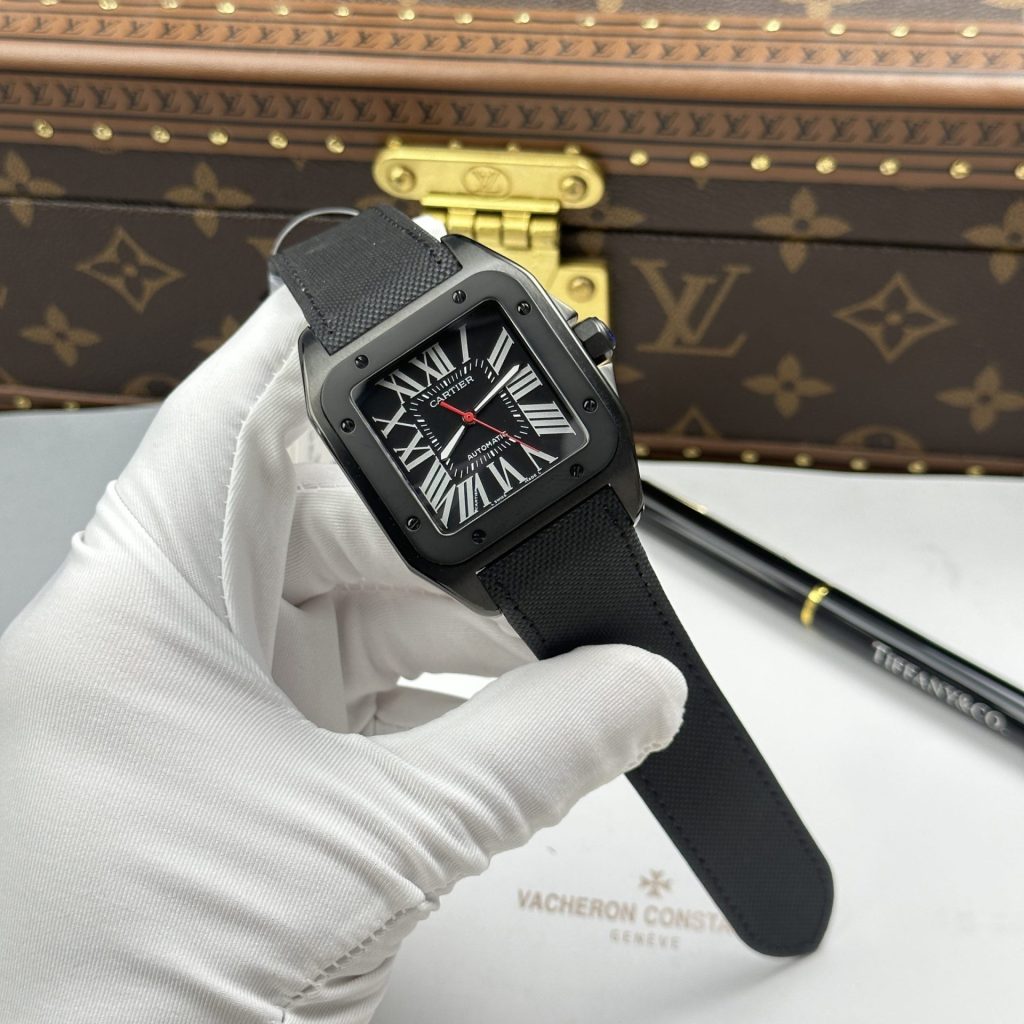
Replica watch laws in the Middle East
The Middle East presents a mixed legal landscape.
Common characteristics
-
Personal ownership is often tolerated
-
Selling replicas in retail settings can lead to penalties
-
Enforcement varies widely between countries
In regions with strong luxury retail presence, authorities may conduct periodic crackdowns on sellers, while personal buyers generally face minimal risk.
Replica watch laws in Vietnam
In Vietnam, trademark law also focuses primarily on commercial distribution.
What buyers should know
-
Personal ownership is rarely an issue
-
Selling replicas without authorization violates intellectual property law
-
Enforcement tends to focus on sellers and manufacturers
Vietnam remains a major hub for replica watch buyers, and personal use is typically tolerated without legal consequences.
Can replica watches be seized by customs?
Yes, replica watches can be seized during import, especially if customs officers identify trademark infringement.
Factors that increase seizure risk
-
Large shipment quantities
-
Branded packaging
-
Inaccurate customs declarations
-
Random inspection
Seizure does not usually lead to criminal charges for individual buyers, but it may result in loss of the item.
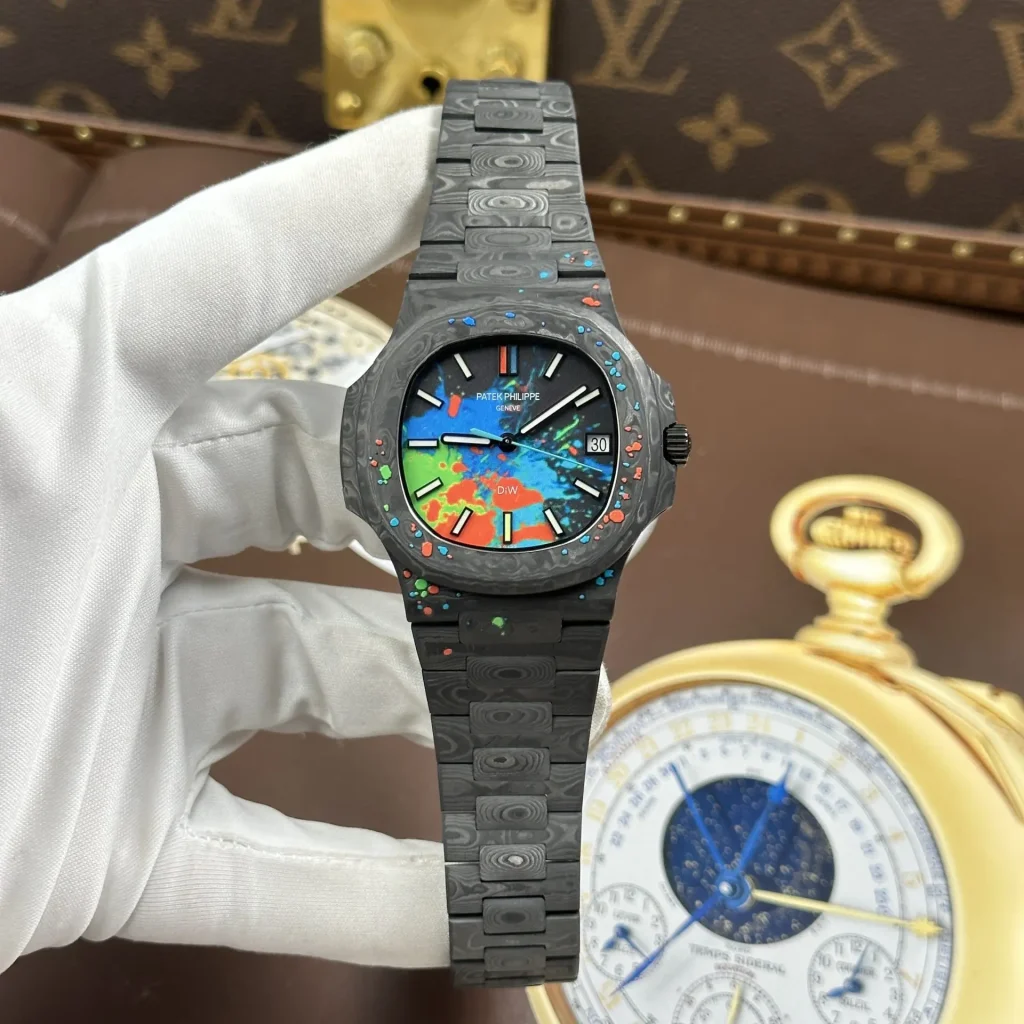
How buyers reduce legal and shipping risks
Experienced buyers often take steps to minimize potential issues:
-
Ordering one watch per shipment
-
Avoiding branded boxes during shipping
-
Choosing sellers with proven shipping experience
-
Understanding local customs regulations
Platforms like Queen Watch Replica emphasize transparency, accurate product descriptions, and careful shipping practices to reduce unnecessary complications for buyers.
Are replica watches illegal to wear in public?
In most countries, wearing a replica watch in public is not illegal. There are no laws prohibiting someone from wearing a watch that resembles a luxury brand, as long as the wearer does not attempt to sell it as authentic or commit fraud.
Problems typically arise only when replicas are misrepresented for financial gain.
Common myths about replica watch legality
Myth 1: Owning a replica watch is a crime
In most countries, personal ownership is not criminalized.
Myth 2: You can go to jail for buying a replica watch
Jail time is extremely rare and typically associated with large-scale commercial distribution.
Myth 3: All replica watches are automatically seized
Many replica watches successfully pass customs without issue, especially small personal shipments.
Should legality stop you from buying a replica watch?
For most individual buyers, legality concerns are manageable when approached responsibly. Understanding the difference between ownership, selling, and importing allows buyers to make informed choices.
Educated buyers focus on:
-
Personal use only
-
Transparent sellers
-
Reasonable expectations
This approach minimizes risk while allowing buyers to enjoy replica watches safely.
Frequently asked questions
Is it illegal to own a replica watch?
In most countries, owning a replica watch for personal use is not illegal.
Can customs seize my replica watch?
Yes, customs may seize replica watches during import, depending on local regulations and inspection outcomes.
Is selling replica watches legal?
No, selling replica watches generally violates trademark laws.
Can I wear a replica watch in public?
Yes, wearing a replica watch in public is generally legal in most countries.
Conclusion
Super clone watch legality depends largely on intent and scale. While selling and distributing replicas violates trademark laws in most countries, personal ownership and use are typically tolerated.
By understanding local laws, importing responsibly, and purchasing for personal use only, buyers can significantly reduce legal risks. In 2026, informed decision-making remains the key to navigating the replica watch market safely and responsibly.